

Thursday, September 2, 2010


Wednesday, September 1, 2010


Sock Monkey Blanket for my Sis!
I tend to put up posts in slow motion, but this one had a good reason--I was making a surprise blanket for my sister for her bambino-on-the-way. It was my first attempt at applique, and I think it went pretty well!
Using an image from the great wide internet, I made a template to cut the fabric then ironed it on using fusible webbing. I stitched over the edges to secure it and to add detail. I used 100% cotton batting as the middle layer.


 |
| Test run for the stitching--no iron on. |


Friday, July 16, 2010

Thursday, July 15, 2010
Modern Vernacular
Two recent articles that touch on similar topics, discuss ideas I've thought about for a long time: the connection between rural vernacular utility and Modern aesthetic and sensibility. I believe taking clues from objects derived out of pure necessity, can yield the best products: easy to use, nice to touch, and beautiful.
This great article by Gabriel Hargrove, who is working on a project called "Objects of the Rural Vernacular", cites many relationships between the two and provides many examples. He notes "this is not a call for more 'agrarian chic'"...but more to "[remind] users of the agency available to them through objects"


Staffan Holm Milk Stool
American pioneers had to make what they needed, with the materials immediately available to them. Through the (re)discovery of the book American Primitives by Robert W. Miller, published in 1972, Sight Unseen addresses similar thoughts as above by asking designer Paul Loebach to chose his favorite items, some of which are included below.


A hand-made wooden keg

a fold-able house key

and a corn grater.
Tuesday, June 1, 2010
A crime in so many ways.
For one of my latest projects I dismantled a vintage luxury good, a fur coat, to utilize as 'upholstery'. I'm not sure how many beavers were killed to make this, but I do know that the craftsmanship is so extraordinary, that it took me almost 2 weeks to take apart with the smallest scissors I own. Now I know why these things cost so much.


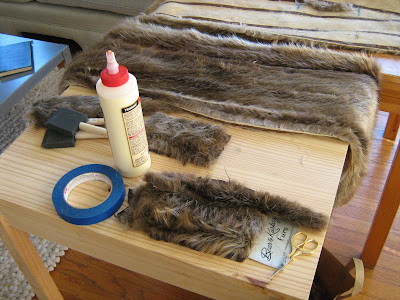
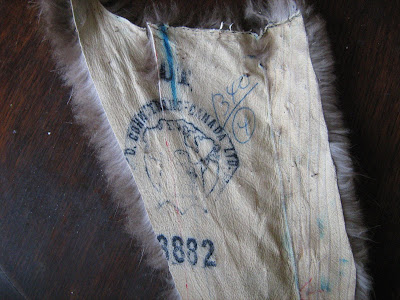


 Final shots forthcoming...


Tuesday, May 25, 2010

Beehive makin' with Vanessa!
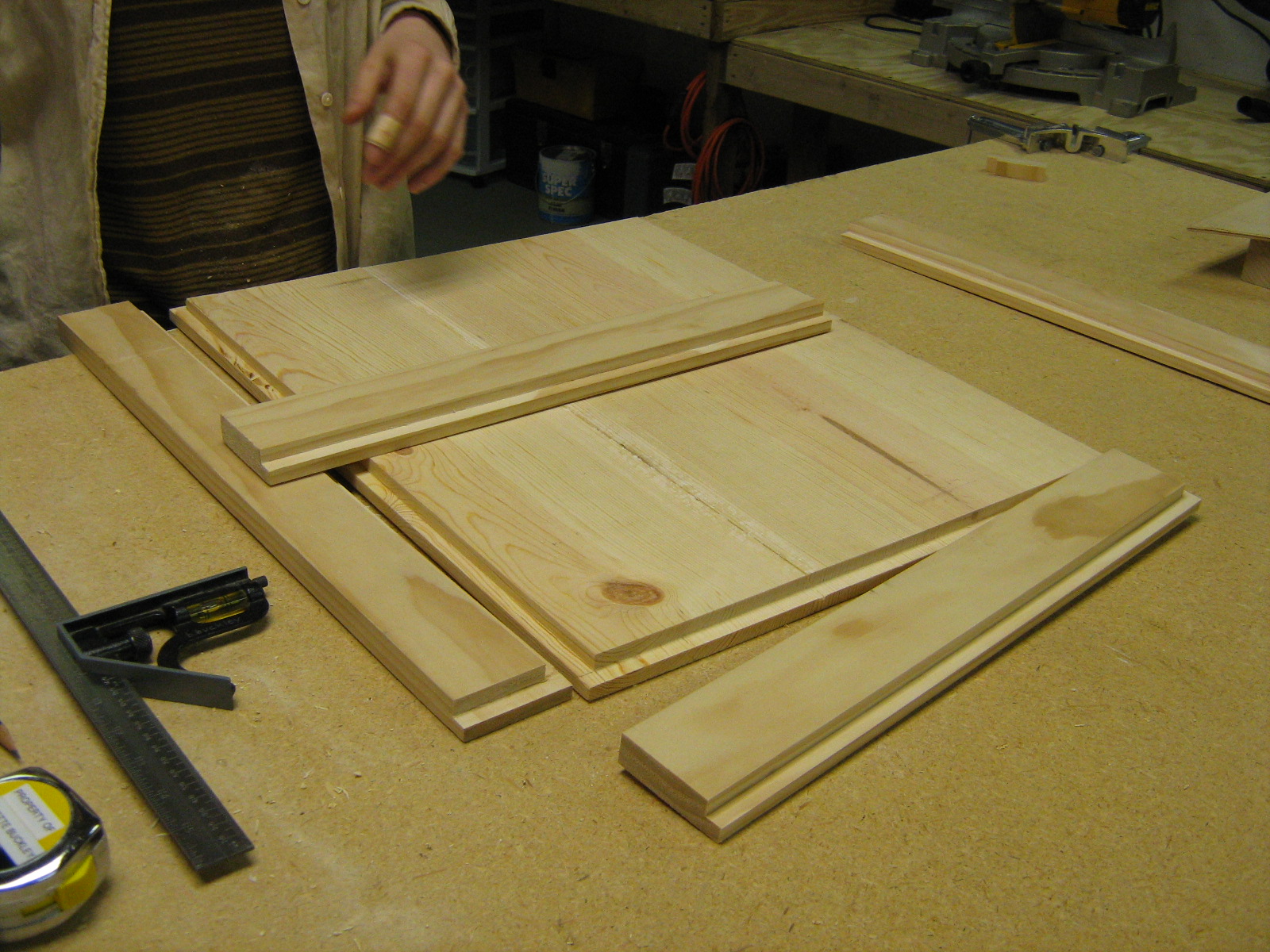
My friend Vanessa who is an avid urban agriculturalist, came over to the shop recently to make some components for her beehive. I've been learning alot from her about keeping bees (a secret [or not-so-secret] obsession of mine which I hope to do someday, but will take my sweet time learning about first) through working on her hive.
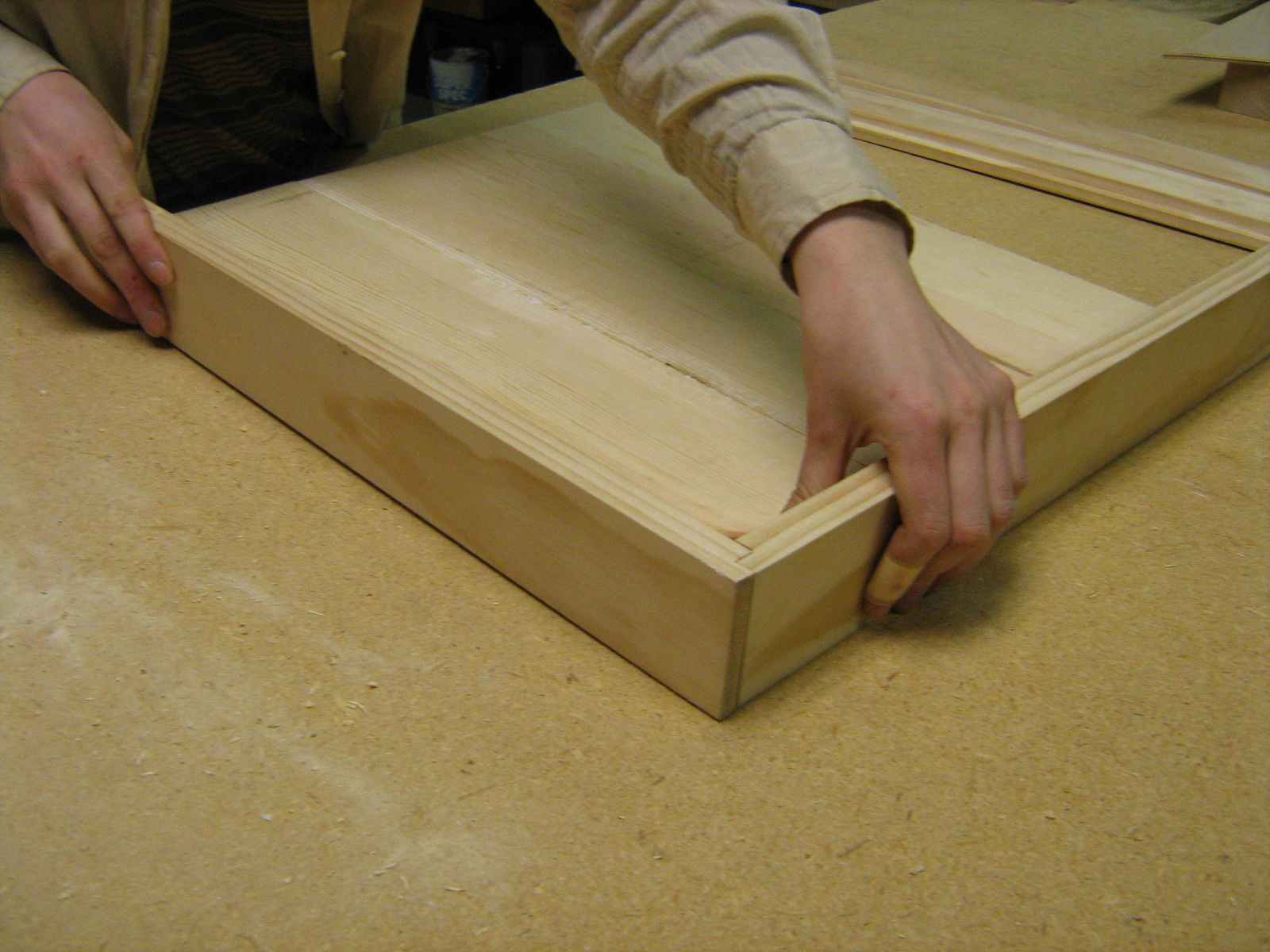
Here we're making an outer cover for a Langstroth style hive. Can't wait for the honey!


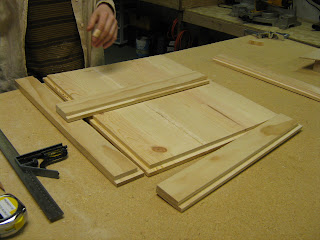


Here we're making an outer cover for a Langstroth style hive. Can't wait for the honey!




Monday, April 19, 2010
Felting at Araidia's Studio
Recently, my friend Araidia invited me over for a delicious brunch and a lesson in felting! It's both simpler and more complicated than I thought.
For 'wet felting', which is what what we did, first you take small patches of wool, either combed or raw, and arrange them in criss-cross pattern around a form--an upside down bowl, for example. Once you've reached the desired number of layers (mine has about 4-5) you wet the wool, and using a silky cloth over it (so it doesn't bind to the wool), encourage the fibers to lock together by 'massaging' them. By continuing to wet the wool (with soapy water to remove the lanolin which is a natural water repellent) the fibers get tighter and tighter, and eventually with no more space left between, create a solid form.
I was surprised by how seemingly free form it is--that these loose fibers can eventually become so tightly connected to create fabric, or even structural panels, simply by rubbing it with soapy water. The possibilities seem endless, ranging from this necklace by an Atlanta artist to this Kasakh yurt from Central Asia.


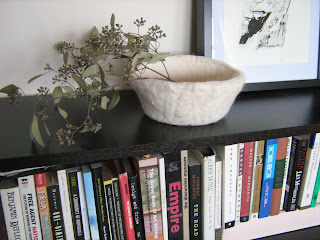
For 'wet felting', which is what what we did, first you take small patches of wool, either combed or raw, and arrange them in criss-cross pattern around a form--an upside down bowl, for example. Once you've reached the desired number of layers (mine has about 4-5) you wet the wool, and using a silky cloth over it (so it doesn't bind to the wool), encourage the fibers to lock together by 'massaging' them. By continuing to wet the wool (with soapy water to remove the lanolin which is a natural water repellent) the fibers get tighter and tighter, and eventually with no more space left between, create a solid form.
I was surprised by how seemingly free form it is--that these loose fibers can eventually become so tightly connected to create fabric, or even structural panels, simply by rubbing it with soapy water. The possibilities seem endless, ranging from this necklace by an Atlanta artist to this Kasakh yurt from Central Asia.


Wednesday, March 31, 2010

Tuesday, March 30, 2010


Subscribe to:
Posts (Atom)